The mallard is a species of dabbling duck, meaning it feeds by tipping forward to reach aquatic plants and small animals, rather than diving.
"Mallard" derives from the Old French word mallart or malart, commonly used for any wild male duck. Over time, "mallard" became the standard English name for the species Anas platyrhynchos, the most familiar wild duck in much of the Northern Hemisphere.
The name was adopted into English because it described the most prominent and recognizable wild duck—the male mallard, with its bold colors and behaviors. Over time, "mallard" came to refer to the entire species, not just the males
Female mallards sometimes lay eggs in the nests of other females, a behavior known as brood parasitism or "egg dumping." This increases the chances of offspring survival.
Only female mallards "quack." While the classic "quack" is associated with all ducks, it's actually only the female mallard that produces this familiar sound. Male mallards are generally quiet, making only raspy calls or rattling noises.
In Rotterdam, the Netherlands, Dead Duck Day occurs on 5 June at exactly 17:55 (5:55 PM) local time, commemorating a 1995 incident when a mallard collided with the glass facade of the Natural History Museum in Rotterdam and a second mallard was subsequently observed engaging in homosexual necrophilia with the dead mallard. The event is marked each year to call attention to bird-window collisions and animal behavior.

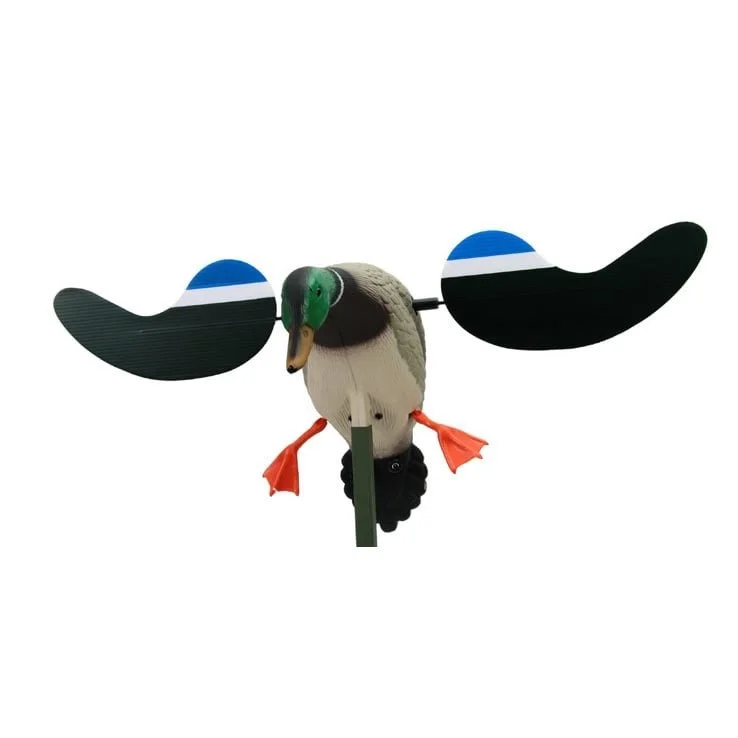
Mallard Motion Duck Decoy